The Evolution of Live Music Economics: How Tribute Bands Are Shaping Melbourne’s Music Scene
Estimated reading time: 6 minutes
Key takeaways:
- Melbourne’s live music scene has evolved significantly, impacting audience engagement and revenue models.
- Tribute bands are becoming the primary draw, appealing to nostalgia while offering familiar musical experiences.
- Traditional venues are struggling to adapt, prioritizing alternative revenue streams like gaming machines.
- The rising costs of live performances contrast sharply with stagnant wages for local musicians.
- Audience demographics are shifting, influencing venues to reconsider pricing strategies for live shows.
Table of contents:
From Drink Margins to Ticket Prices: The Historical Context
The live music scene in Melbourne has undergone significant changes over the decades, transforming how audiences engage with music and the monetary dynamics that support it. For generations, the local pub or club was a staple in the musical landscape, often featuring duos and trios for modest fees, funded largely through drink margins and a communal, social atmosphere. Fast forward to today, and those same venues are grappling with stark contrasts in patronage, economics, and entertainment preferences. Interestingly, this transformation has given rise to a new force: tribute bands, which are quickly becoming the “destination acts” that attract crowds eager for familiar sounds and nostalgic moments.
Stagnant Wages Amid Rising Costs
Despite inflationary pressures, the fees for live performances have failed to keep pace. Today, bands—especially local duos and trios—are often compensated between $500 and $1,000, numbers that echo the same figures from 30 years ago, when adjusted for inflation. This stagnation is particularly telling, as the costs associated with band operations—ranging from instruments to travel—have steadily increased. Therefore, while patrons may be drawn into venues for social engagement, the musicians behind the magic often find themselves squeezed financially.
The Decline of Traditional Venues
Across Melbourne, the pillars of live music—the friendly neighborhood pubs—now often prioritize revenue from pokies (slot machines) over live acts. The shift towards less emphasis on live performances has driven home the reality that musical acts struggle for relevance amidst rising alternatives, particularly DJs who often command higher fees but require less effort from the establishment’s end. This economic landscape poses a challenge for local acts trying to establish themselves.
The Rise of Tribute Bands
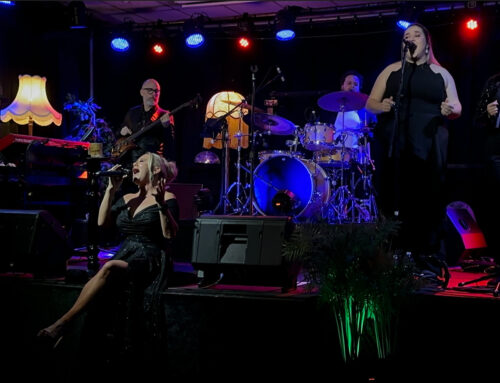
In this context of shifting dynamics, tribute bands have emerged as an essential fixture in the modern music landscape. Unlike traditional acts reliant on building recognition over time, tribute bands offer an experience steeped in familiarity. They serve a dual purpose: paying homage to legends while simultaneously drawing in audiences who crave a nostalgic return to iconic soundscapes.
A New Kind of Engagement
What makes tribute bands especially appealing is their ability to promise a certain level of experience, akin to a “destination act.” Patrons expect to see familiar hits performed not just well, but authentically. Imagine heading out to see an ABBA tribute at your local winery or a Fleetwood Mac cover band at your favorite RSL; fans already know the songs and the performance they’ve signed up for, often leading to a more enthusiastic response than traditional local acts.
Indeed, in a world where entertainment options abound—whether it’s streaming services, podcasts, or social media—people are searching for concert experiences that deliver instant gratification. Venues, therefore, have started seeking out tribute acts, creating a lucrative niche market. The success of these acts speaks to the audience’s intent to relive the thrill of their youth, captivated by the nostalgia that comes with performances from revered artists.
The Changing Economics of Tribute Acts
While professional tribute acts may command higher ticket prices, they are keenly aware of the nuances in audience demographics. Many of the fans supporting these tribute acts are now in their late 40s, 50s, and beyond, armed with disposable income and looking for engaging yet manageable nights out. What’s noteworthy, however, is that while this demographic has the money to spend, they are likely consuming less alcohol compared to previous generations—a behavioral shift that reflects broader trends in society.
As a result, venues are exploring new pricing strategies for tickets and door charges that can sustain a steady flow of revenue even as beer sales decline—down 5-10% from historical averages, according to industry experts. The typical framework has been shuffled, prioritizing live music as a cornerstone of entertainment again, but tailored towards acts that provide a clear draw.
Wrapping Up the Journey: What Lies Ahead in Melbourne’s Live Music Scene
The landscape of live music, particularly in Melbourne, reveals a rich tapestry of evolution spurred by economic realities and societal shifts. While local bands have historically played a vital role in the community, their challenges continue to mount, begging a re-examination of pay structures and audience engagement. Conversely, tribute acts have surged as vibrant alternatives that cater to changing tastes, creating exciting and nostalgic experiences that resonate with their audiences.
As we move forward, it’s crucial for fans of live music to champion both local talent and tribute bands alike. Whether reliving your youth through familiar hits or discovering fresh sounds among emerging acts, the live music scene remains an essential part of Melbourne’s cultural fabric.
Join the conversation—what tribute band do you want to see next? Share your favorite performances or memories in the comments below! And don’t miss out on upcoming tribute gigs at local venues; check their social media pages for updates on ticket sales and show dates, ensuring you don’t miss the chance to witness a spectacular show.
For more information on Australia’s tribute band scene, you can explore resources such as AGNT and gain insights into the evolving economics of live performances, illustrating how tribute acts may well be the savior of the local music scene amid changing times.
FAQs
Q: What are tribute bands?
A: Tribute bands are musical groups that perform songs from established bands or artists, focusing on recreating their music and stage presence to attract fans of the original acts.
Q: Why are tribute bands becoming popular?
A: They evoke nostalgia and provide familiar experiences that resonate with audiences, drawing larger crowds to venues seeking entertainment that guarantees recognition and satisfaction.
Q: How has the economics of live music changed in Melbourne?
A: Live music economics have shifted from relying on drink margins to ticket sales, while wages for local artists have largely stagnated against a backdrop of rising costs and shifting audience preferences.
Q: What challenges do local musicians face?
A: Local musicians often struggle with stagnant pay, competition from DJs, and venues that prioritize alternative revenue streams over live performances.
Q: How can fans support local acts?
A: Fans can support local performers by attending shows, sharing their experiences on social media, and advocating for live music in their communities.